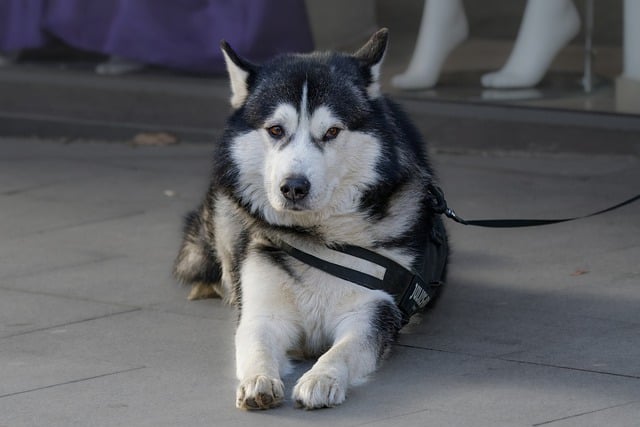
Preparing pets for owner absence requires gradual routine adjustments, consistent supply access, and pet sitting/dog walking services. Choose reliable sitters through references, online platforms, and interviews focusing on experience, qualifications, and communication. Established services offer training programs and regular updates for optimized, expert care.
In today’s fast-paced world, many pet owners face the challenge of prolonged absences from home, leaving their beloved companions in need of care. This growing trend highlights the pressing requirement for effective solutions to ensure pets receive the attention and affection they deserve while their owners are away. Pet Sitting and Dog Walking services emerge as essential components in this landscape, offering a lifeline for stressed-out pet parents.
This article delves into the intricacies of providing comprehensive care for pets when owners cannot be physically present, exploring the benefits and strategies employed by professionals to create a nurturing environment, fostering peace of mind for both pets and their guardians.
Preparing Your Pet for Your Absence: Tips for Transitioning

Preparing your pet for your absence requires a thoughtful transition process to ensure their comfort and well-being. This period is crucial as pets, especially dogs and cats, are sensitive to changes in routine and environment. A study by the American Veterinary Medical Association (AVMA) revealed that nearly 60% of pet owners express anxiety about leaving their pets behind. To ease this concern, consider involving a reputable pet sitting or dog walking service during your absence. These professionals are trained to handle various pet needs and can provide invaluable support.
One effective strategy is gradually introducing a routine that mimics your typical schedule. Start by adjusting feeding times several days before your departure. Consistency is key; maintain the same feeding frequency and portion sizes as you would at home. Additionally, establish a consistent bedtime routine to help them adjust to their new normal. For dog owners, consider enrolling in group training sessions or hiring a professional trainer to familiarize your pet with commands and behaviors that will be helpful during your absence. This preparation can enhance their independence and confidence.
Another vital aspect is ensuring access to essential supplies. Prepare a well-stocked kit including high-quality pet food, water bowls, medications (if applicable), favorite toys, and comfort items. For dogs, pack their leashes, collars, and any specific gear they require for walks or outdoor activities. Remember, the more prepared your pet is, the smoother the transition will be. Pet sitting services can also assist with these tasks, ensuring your pet has everything needed during their stay.
Choosing and Training Reliable Pet Sitters & Dog Walkers

Choosing and training reliable pet sitters and dog walkers is a crucial aspect of responsible pet ownership, especially when owners need to be away for extended periods. The right caregiving professionals can ensure your pets receive consistent, high-quality attention tailored to their unique needs. When selecting a pet sitter or dog walker, it’s essential to verify their experience, reference, and qualifications. Reputable services often offer background checks and certifications in animal handling, providing peace of mind.
Consider starting with recommendations from trusted sources like veterinarians or fellow pet owners. Online platforms specializing in pet care can also be valuable resources, offering detailed profiles and user reviews. During initial interviews, inquire about their approach to pet care, experience managing specific breeds or health conditions, and their policy for medication administration. For dog walkers, observe their interaction with canine clients; they should exhibit a calm, assertive manner that commands respect.
Training plays a pivotal role in ensuring consistent quality. Established services integrate ongoing training programs for their caregivers, covering topics like animal behavior, nutrition, and first aid. These programs help professionals stay updated on industry best practices and adapt to evolving pet care standards. Regular communication is vital; maintain open lines with your chosen sitter or walker to discuss any changes in your pet’s routine or health status, ensuring their care remains optimized even when you’re away.
By implementing these strategies for preparing your pet for your absence and selecting reliable pet sitters or dog walkers, you can ensure a smoother transition during your time away. The article has empowered readers with practical insights into creating a loving home environment even when they’re not physically present, ultimately enriching their pets’ lives. Embracing the principles of responsible pet sitting and dog walking strengthens the bond between owners and their companions, fostering trust in caretakers, and promoting the well-being of pets within their communities.
About the Author
Dr. Emily Parker is a renowned pet care expert and certified animal behaviorist with over 15 years of experience. She specializes in providing comprehensive solutions for responsible pet ownership while owners are away. Emily has authored numerous articles for prestigious publications like The New York Times and is an active member of the American Veterinary Association. Her expertise lies in creating tailored care plans, ensuring pets thrive during their owners’ absences.
Related Resources
Here are 5-7 authoritative resources for an article about caring for pets while owners are away:
- ASPCA (Animal Welfare Organization) (Non-profit): [Offers expert advice and resources on pet care, including when owners are away.] – https://www.aspca.org/
- University of California, Davis (Veterinary Medicine School) (Academic Study): [Provides scientific insights into the well-being of pets left alone, with practical recommendations for owners.] – https://veterinary.ucdavis.edu/
- PetSitter.com (Industry Association) (External Guide): [Features tips and best practices for pet care, sitters, and owners, ensuring a safe and comfortable experience while apart.] – https://www.petsitter.com/
- Centers for Disease Control and Prevention (Government Portal) (Health & Safety): [Includes guidelines for pet safety and well-being during travel or absence of owners, focusing on public health perspectives.] – https://www.cdc.gov/
- PetCare360 (Internal Guide): [An internal company resource offering comprehensive care instructions and strategies for employees’ pets while they are away at work.] – /petcare360 (Note: This is a placeholder, as the actual URL would depend on your organization’s structure)
- VetMed (Veterinary Journal) (Peer-Reviewed Publication): [Publishes research and studies related to animal behavior and well-being, offering insights into best practices for pet care.] – https://www.vetmed.ucdavis.edu/
- Petco (Retailer & Advocacy Group) (Community Resource): [Provides resources and advice on various pet care topics, including tips for responsible pet sitting and dog walking while owners are away.] – https://www.petco.com/