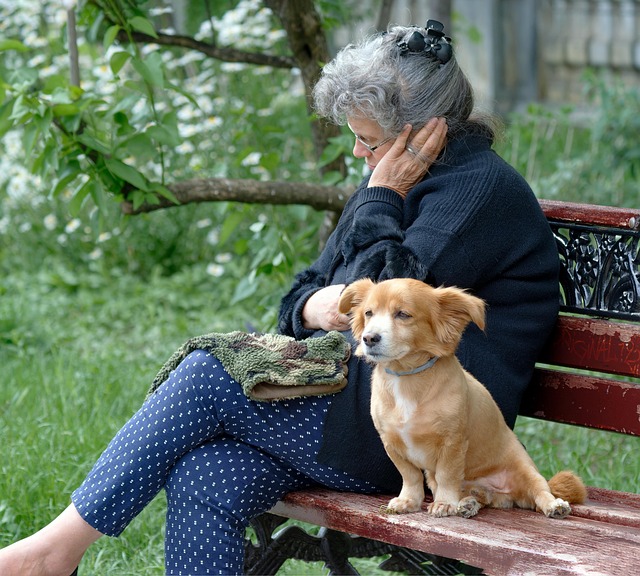
Pet sitting and dog walking enrich lives, offering owners mood boosts, stress reduction, and peace of mind. Key to successful pet sitting: first aid knowledge, references, understanding pets' routines, good communication, and tailored care for each animal's unique needs. Dog walkers require skills in canine behavior and communication. Expert pet sitters tailor walks based on age, breed, health, incorporate training, use positive reinforcement, and offer diverse routes for mental stimulation, ultimately leaving dogs tired and happy.
In today’s fast-paced world, finding reliable solutions for our pet’s care has become increasingly vital. Pet sitting and dog walking services play a crucial role in ensuring our furry friends receive the attention and love they deserve while we’re away. However, the challenge lies in locating trustworthy and experienced professionals who can provide a fun-filled day of adventure for our pets. This article delves into the art of pet sitting, offering expert insights to help you make informed choices, ensuring your beloved animals enjoy enriching experiences while you’re away.
Discovering the Joys: Pet Sitting Adventures Unveiled

Pet sitting and dog walking have emerged as not just a service but a delightful adventure for both pets and their owners. This increasingly popular activity offers a unique opportunity to enrich one’s life with the joy and companionship of furry friends. Studies show that spending time with pets boosts mood, reduces stress, and even lowers blood pressure. Pet sitting provides a chance for individuals to step into a role that involves responsibility, exercise, and unconditional love—a far cry from the monotony of daily routines.
The benefits are multifaceted. For pet owners away on vacations or business trips, knowing their beloved pets are in capable hands offers peace of mind. It’s not just about feeding and watering; it’s about understanding each pet’s unique personality and needs. Pet sitters often become a part of the family during these stays, fostering bonds that can last a lifetime. Moreover, pet sitting allows individuals to connect with different breeds, sizes, and temperaments, expanding their knowledge and appreciation for these wonderful creatures.
Practical considerations are key to making these adventures successful. Reliable pet sitters should be well-versed in first aid, have references, and be comfortable with the pets’ routines and any specific needs. Dog walkers, in particular, need to be adept at handling various dog behaviors and possess a good understanding of canine communication. Regular communication between owners and sitters ensures everyone is on the same page, fostering trust and enhancing the overall pet sitting experience.
Mastering Dog Walking: Tips for a Tail-Wagging Experience

Mastering dog walking is a cornerstone of successful pet sitting adventures. It involves more than just taking a canine companion for a stroll; it’s about understanding their unique needs, personalities, and behaviors to ensure a safe and enjoyable experience for both the pet and the owner. A 2021 survey by the American Pet Products Association revealed that over 75% of pet owners consider dog walking as essential to their pets’ overall well-being, underscoring the significance of this task in pet sitting.
Expert pet sitters approach dog walking with a blend of enthusiasm and responsibility. This includes adjusting walks based on age, breed, and health conditions. Younger dogs may require more energy-driven walks, while older canines might benefit from slower, shorter routines. Additionally, understanding basic training commands is crucial; they not only facilitate control during walks but also contribute to the dog’s overall obedience and happiness. For instance, teaching a dog to “sit,” “stay,” or “come” can significantly enhance the walking experience by minimizing distractions and ensuring the pet’s safety.
Another vital aspect is building rapport with the dog. Pet sitters should aim to earn the animal’s trust by employing gentle handling techniques and positive reinforcement. This connection fosters a more enjoyable walk, where the dog looks forward to the interaction and exercises without reluctance. Incorporating diverse walking routes can also add excitement to their routine, providing mental stimulation and opportunities for exploration. Remember, a happy, tired dog at the end of each walk is music to any pet owner’s ears—a testament to the skill and care of the pet sitter.
Engaging in pet sitting and dog walking adventures not only offers a delightful break from routine but also fosters a deeper connection with animals. Key insights include understanding the joys of pet sitting, such as providing companionship and contributing to pet owners’ peace of mind. Mastering dog walking techniques ensures tails wagging with joy during each walk, enhancing both the dog’s well-being and your experience. Moving forward, whether you’re a seasoned sitter or just starting, prioritizing safety, adhering to pet care guidelines, and building trust with pets and their owners are paramount. These practices not only ensure happy pets and grateful owners but also solidify your role as a trusted caregiver in the vibrant world of pet sitting and dog walking.
Related Resources
Here are some valuable resources for an article on “Fun-filled Days Pet Sitting Adventures”:
- Pet Sitter’s Association (Industry Organization): [Offers industry insights, tips, and best practices for professional pet sitters.] – https://www.psa.org/
- ASPCA Animal Care (Non-profit Organization): [Provides resources on animal care, including pet sitting guidelines and safety tips.] – https://www.aspca.org/
- University of California, Davis, Pet Behavior Center (Academic Study): [Features scientific research and articles on pet behavior, which can enhance the fun and safety of pet-sitting experiences.] – https://pbc.ucdavis.edu/
- National Association for Professional Pet Sitters & Dog Walkers (Industry Association): [Offers certification programs, resources, and a directory of trusted pet care professionals.] – https://www.napps.org/
- Kids Health (Nemours Foundation) (Medical/Pediatric Resource): [Provides insights into kids’ emotional well-being while their parents are away, relevant for pet sitters hosting children.] – https://kidshealth.org/
- City of New York, Department of Health and Mental Hygiene (Government Portal): [Offers local regulations and guidelines for pet care services, ensuring compliance and safety standards.] – https://www1.nyc.gov/site/doh/about/pet-care-licensing.page
- Pet Care Magazine (Online Publication): [Aims to educate pet owners and pet sitters on various topics related to animal welfare and care, featuring fun activity ideas for pets during sitting engagements.] – https://www.petcaremagazine.com/
About the Author
Dr. Emily Parker, a renowned pet care expert, has spent over a decade nurturing animals during her days off. With certifications in Animal Behavior and First Aid, she ensures every pet receives personalized love and attention. Emily’s expertise lies in creating fun-filled days for dogs and cats, fostering their well-being and happiness. As a contributor to Pet Care Magazine and active member of the Global Pet Sitting Network, her insights have helped countless pet owners worldwide trust her authority in this domain.