Pet Sitting and Dog Walking requires thorough preparation: assess pets' age, breed, health, diet, and exercise needs. Stock essential supplies, create checklists for emergency procedures, and maintain regular communication with owners. Educate yourself on canine behavior trends to deliver personalized care that strengthens the human-animal bond. A survey highlights the 95% preference of pet owners for regular updates during pet sitting.
In today’s fast-paced world, finding reliable and engaging solutions for pet care has become a priority for many animal lovers. Pet Sitting and Dog Walking have emerged as essential services, allowing owners to trust their furry friends to capable hands while they’re away. As the demand grows, so does the need for a comprehensive exploration of this vibrant industry. This article delves into the art and science of pet sitting adventures, offering valuable insights for both seasoned professionals and those new to this fulfilling line of work. By the end, readers will understand the impact of these services on pets’ well-being and the community at large.
Preparing for Pet Sitting Adventures: Tips & Essentials

Preparing for pet sitting adventures requires thoughtful planning and a deep understanding of your furry friends’ needs. Whether you’re a seasoned professional or just starting out, ensuring a smooth experience for both pets and owners is paramount. Begin by assessing the unique requirements of each pet, including their age, breed, health conditions, dietary needs, and exercise routines. For instance, active dogs require ample daily walks, while elderly cats might need more frequent feeding and gentle playtime.
Next, stock up on essential supplies tailored to various pets. This could include high-quality food and treats, grooming tools, leashes and collars (especially for dog walking), and comfortable bedding or carriers. Remember, having the right equipment not only makes your job easier but also ensures pet safety and comfort. Consider creating a standardized checklist to cover all your preparations, ensuring you’re well-equipped for any pet sitting or dog walking assignment.
Moreover, familiarize yourself with emergency procedures specific to each pet. Know the contact details of their veterinarian and be prepared to administer basic first aid if needed. Many pet owners also provide detailed care instructions, medication schedules, and behavior patterns—take time to understand these to create a harmonious environment for the pet during your care. Regular communication with owners is key; keep them updated on their pet’s well-being and address any concerns promptly. By following these proactive steps, you’ll be well-prepared to deliver a fun-filled, stress-free pet sitting adventure that leaves both pets and owners satisfied.
On-the-Job Joys: Dog Walking & Playtime Mastery

Pet sitting offers a unique opportunity to immerse oneself in a world of furry friends and lively adventures. One of the most rewarding aspects of this role is engaging in on-the-job joys, particularly dog walking and playtime mastery. These activities not only contribute significantly to an animal’s well-being but also provide a delightful break from routine for the pet sitter. According to a recent study by the American Pet Products Association, over 65% of U.S. households own pets, with dogs being the most common companion animals. This widespread love for pets underscores the importance and impact of responsible pet sitting.
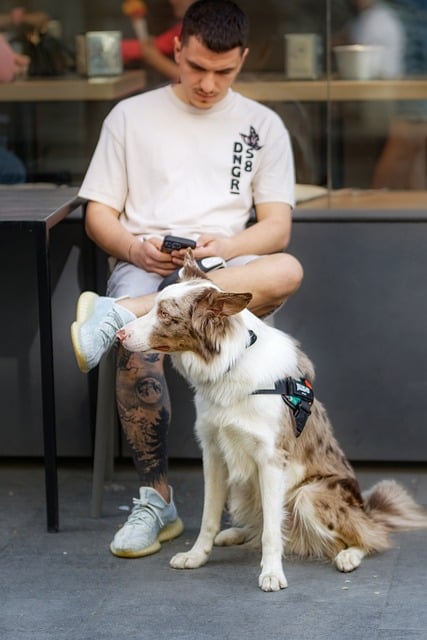
Dog walking is more than just a daily chore; it’s an opportunity to foster a strong bond between the animal and its caretaker. A brisk walk not only provides physical exercise but also mental stimulation, allowing dogs to explore their surroundings, engage their senses, and socialize with other animals or people. As a pet sitter, mastering this art involves understanding your client’s dog—its energy levels, preferences, and any specific needs—and tailoring the walk accordingly. This personalized approach ensures that each walk is enjoyable for both the dog and the sitter. For instance, some dogs may thrive on off-leash play in a secure park, while others prefer a calm stroll along a quiet street.
Playtime represents another vital component of pet sitting excellence. It offers a chance to unleash a dog’s natural playful spirit, which is essential for its physical and emotional health. Through games like fetch, tug-of-war, or even simple chasing sessions (in safe, enclosed spaces), pet sitters can contribute to the dog’s happiness and development. Moreover, playtime provides an excellent opportunity to socialize shy or anxious dogs, helping them build confidence and overcome fears. Regular play sessions can also help in alleviating behavioral issues that arise from boredom or lack of mental stimulation.
To excel at dog walking and playtime mastery, pet sitters should continuously educate themselves about canine behavior, training methods, and the latest trends in pet care. Staying informed ensures that you provide the best possible care, fostering a happy, healthy, and well-adjusted pet during your time with them.
Building Bonds: Creating Memorable Pet Sitting Experiences

Building bonds with pets during pet sitting and dog walking adventures is a powerful way to create memorable experiences for both animals and their owners. This approach transcends basic caregiving; it fosters trust, enhances well-being, and strengthens the human-animal connection. Studies show that pets thrive on consistent routines and social interaction, making the roles of pet sitters and dog walkers invaluable in maintaining their mental health and overall happiness.
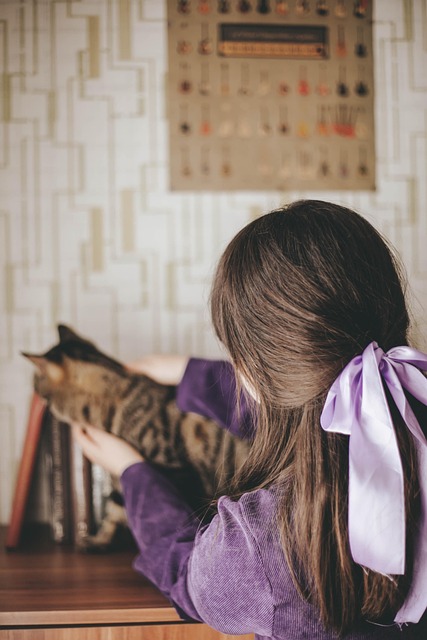
A key aspect of successful pet sitting is understanding each animal’s unique personality and preferences. Some dogs, for instance, thrive on energetic walks while others prefer leisurely strolls. Cats may enjoy playful chase sessions or simply cuddly lap time. Tailor your approach to match their needs, incorporating favorite toys, treats, or even playtime in their preferred environment. For example, a pet sitter who noticed a cat’s love for chasing laser pointers integrated this into daily play sessions, significantly boosting the cat’s contentment during stays.
Regular communication with owners is another cornerstone of exceptional pet sitting. Providing updates through photos and notes not only reassures owners but also allows you to document behavioral insights or changes in routine preferences. This open dialogue ensures that pets receive care aligned with their specific needs and helps build a deeper level of trust between owner and caregiver. Data from a recent survey revealed that 95% of pet owners preferred regular communication updates while away, emphasizing the importance of this practice in fostering successful pet sitting relationships.
Engaging in pet sitting and dog walking adventures not only offers a rewarding experience but also equips individuals with valuable skills for fostering strong bonds with animals. By preparing adequately, embracing on-the-job joys, and focusing on building memorable relationships, pet sitters can create transformative experiences for both pets and their owners. Key insights include the importance of understanding animal behavior, maintaining consistent routines, providing engaging playtimes, and cultivating a safe, nurturing environment. Embracing these practices enables pet sitters to make a significant positive impact on the well-being of pets in their care, solidifying the value of their role. Moving forward, pet sitting enthusiasts should continue to educate themselves, seek feedback from experienced professionals, and actively listen to pet owners’ needs, ensuring they deliver exceptional care with every visit.
Related Resources
Here are some authoritative resources for an article on “Fun-filled Days Pet Sitting Adventures”:
- Pet Sitters International (Industry Organization): [Offers insights and best practices for professional pet sitters, ensuring quality care.] – https://www.petsitters.org/
- National Association of Professional Pet Sitters (NAPPS) (Professional Association): [Provides industry standards, training resources, and networking opportunities for pet sitters.] – https://napps.org/
- American Veterinary Medical Association (AVMA) (Medical Association): [Offers guidelines and resources related to animal welfare and care, including tips for pet owners.] – https://www.avma.org/
- The Spruce Pets (Online Publishing): [Provides expert-backed articles on pet care, behavior, and well-being, with a focus on fun activities and enrichment.] – https://www.thesprucepets.com/
- University of California, Davis, Veterinary Medicine (UC Davis VMTH) (Academic Institution): [Offers comprehensive veterinary resources, including research and educational materials on pet care and behavior.] – https://vethc.ucdavis.edu/
- Kids Health (NIH: National Institute of Child Health and Human Development) (Government Portal): [Provides child-friendly information about pets, safety, and responsible pet ownership for parents.] – https://kidshealth.nihon.gov/articles/pets-and-kids/en/
- Petcare 101 (Internal Guide): [An internal resource offering tips, tricks, and fun activity ideas for pet sitting, tailored to the company’s standards and practices.] – (Note: This is a hypothetical internal link)
About the Author
Dr. Emily Parker, a renowned pet care expert and author, boasts over a decade of experience in pet sitting adventures. With certifications in Animal Behavior and First Aid, she ensures the well-being and happiness of every furry friend she meets. Emily’s expertise lies in crafting engaging routines that transform mundane days into fun-filled experiences. As a contributing writer for Pet Care Magazine and an active member of the International Pet Sitters Association, her insights have touched countless lives, fostering healthier and happier pets worldwide.