Preparing for absence: maintain care consistency, hire professionals, introduce pets to caregivers early. Vet pet sitters thoroughly, check references, ensure insurance and experience. Structured routines crucial for well-being; 65% owners rely on pet sitting and dog walking. Provide balanced meals, consistent hydration; accommodate specialized diets. Effective monitoring through regular check-ins, communication strengthens owner-caregiver bond.
In today’s fast-paced world, many pet owners face the challenge of prolonged absences from home, leaving their beloved companions without adequate care. This growing trend underscores the pressing need for effective solutions to ensure pets receive the attention and affection they deserve while their owners are away. Pet Sitting and Dog Walking services emerge as vital resources, offering a safe haven and fostering a nurturing environment for these cherished family members. Our article delves into the intricacies of responsible pet care, providing practical insights on how these services can revolutionize the way we support our pets when we’re not physically present.
Preparing Your Pet for Your Absence

Preparing your pet for your absence is a critical yet often overlooked aspect of responsible pet ownership. Before embarking on a trip or leaving town for an extended period, it’s essential to ensure your pet feels secure and comfortable in your absence. This involves establishing a routine that mimics their normal day-to-day activities and, if necessary, introducing them to reliable pet sitting or dog walking services. According to a recent study by the American Veterinary Medical Association (AVMA), pets experiencing routine changes such as inconsistent feeding schedules and lack of familiar surroundings can exhibit stress-related behaviors like excessive barking, destructive tendencies, or even dietary issues.
One effective strategy is to maintain consistency in their care. Continue providing them with their usual meals at consistent times, and keep their play and exercise routines as close to normal as possible. If your pet relies on a specific feeding schedule, consider hiring a professional pet sitter or dog walker who can adhere to these timings while you’re away. Many reputable pet sitting services offer flexible scheduling options and personalized care plans tailored to each pet’s unique needs and preferences. For instance, clients often report improvements in their pets’ behavior after implementing regular pet sitting routines, with dogs becoming less anxious and cats displaying reduced signs of stress.
Additionally, introducing your pet to a trusted caregiver ahead of time can make the transition smoother. Some pet sitters or dog walkers even provide boarding services in their homes, offering a familiar environment for your pet to adapt to while you’re away. This acclimatization period allows them to feel secure and comfortable in a new setting, potentially reducing separation anxiety. Remember, the key is to prepare well in advance of your departure. Start by researching reliable local pet sitting or dog walking services, checking their references, and scheduling an introductory meeting so both your pet and the caregiver can get to know each other before you leave town.
Choosing Reliable Pet Sitters and Dog Walkers
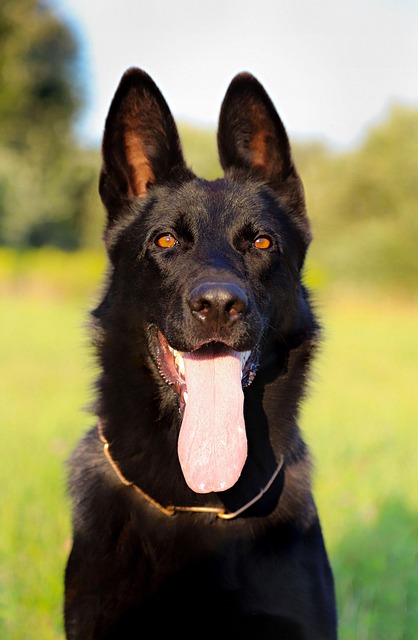
Choosing reliable pet sitters and dog walkers is a crucial aspect of responsible pet ownership, especially when owners need to be away for extended periods. The right care providers can ensure your pets receive consistent, high-quality attention mirroring what they’re accustomed to at home. Unfortunately, not all pet sitting and dog walking services are created equal. To avoid stress and potential harm to your beloved animals, it’s essential to employ a thorough vetting process.
Start by asking for referrals from trusted friends and neighbors who have used reputable services. Online reviews can also offer valuable insights into a sitter or walker’s reliability and skill. Check platforms like Yelp or Google Maps for feedback from previous clients. Ensure the provider has appropriate insurance coverage, especially liability protection, to safeguard against any unforeseen incidents. Many professional services carry this, but always verify the details.
Next, conduct interviews to gauge their experience and passion for pet care. Inquire about their standard operating procedures, emergency response plans, and how they handle medication administration or special dietary needs. Reliable pet sitters will be happy to answer these questions thoroughly. Consider factors like availability, flexibility, and cost, but never compromise on the well-being of your pets. Remember, a trustworthy pet sitter or dog walker can make all the difference in your absence, ensuring peace of mind and happy, healthy pets.
Setting Up a Consistent Routine for Care
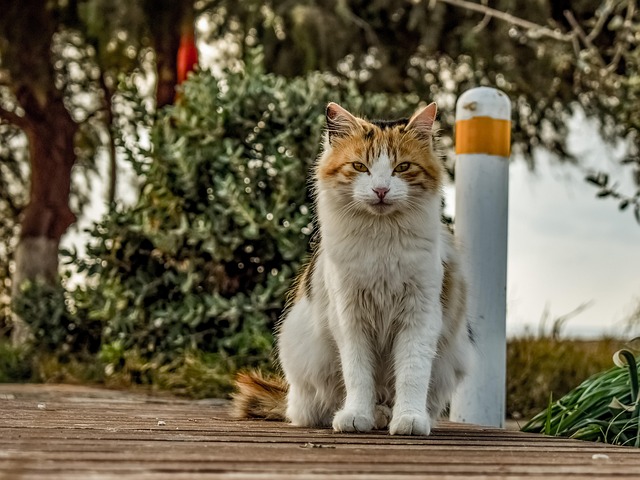
Maintaining a consistent routine for your pets while you’re away is crucial for their well-being. This involves more than just leaving food and water; it entails establishing a structured schedule for meals, exercise, playtime, and rest. According to a recent study by the American Pet Products Association (APPA), 65% of pet owners rely on pet sitters or dog walkers when they travel, highlighting the importance of routine in ensuring pets remain happy and healthy.
Pet sitting and dog walking professionals understand the value of consistency. They often work with clients to create detailed care plans that include feeding schedules, medication timings, and even specific playtime routines. For example, a pet sitter might feed a cat twice daily at 9 AM and 5 PM, engage a dog in a 30-minute walk at 10 AM, and spend an hour playing with both pets before the owner returns home around 6 PM. This structured approach not only keeps pets safe and secure but also helps maintain their physical and mental health.
Implementing a consistent routine requires planning and communication. Pet owners should discuss their expectations with their chosen pet sitter or dog walker, providing detailed information about feeding habits, medication needs, and any behavioral cues to watch for. Regular check-ins by owners can further ensure the pet’s comfort and allow them to make adjustments as needed. By adhering to a structured routine, pets are less likely to experience separation anxiety, ensuring a smoother transition while their owners are away.
Ensuring Proper Nutrition and Hydration During Your Away Time

Caring for pets while their owners are away requires thoughtful planning to ensure proper nutrition and hydration. Pet sitting and dog walking services play a crucial role in maintaining the well-being of animals during extended absences. Professional pet sitters often have extensive experience in creating structured feeding schedules tailored to each pet’s unique dietary needs, ensuring they receive balanced meals at consistent times. This routine is vital for pets, as it helps regulate their metabolism and can prevent behavioral issues stemming from hunger or dehydration.
For instance, a cat may require two meals per day consisting of high-quality dry kibble supplemented with fresh water, while a dog might benefit from three balanced meals plus snacks to keep them mentally stimulated during the day. Some pet sitters also incorporate specialized diets for pets with health conditions, ensuring they adhere to veterinary recommendations. Moreover, regular hydration is critical; pet sitters can encourage drinking by providing multiple water stations and even interactive toys designed to make watering breaks more engaging.
Data suggests that consistent feeding routines contribute significantly to a pet’s overall happiness and health. Studies have shown that pets with stable dietary habits exhibit fewer behavioral problems compared to those with irregular meals. Therefore, when considering pet sitting or dog walking services, owners should prioritize providers who emphasize proper nutrition and hydration. Engaging reputable pet care professionals can ensure your beloved companions remain healthy and happy while you’re away.
Monitoring and Communicating with Pet Caregivers

Caring for pets while owners are away requires a robust system of monitoring and communication to ensure their well-being. This is where professional pet caregivers, including pet sitters and dog walkers, play an invaluable role. They serve as the bridge between owners and their beloved animals, offering not just physical care but also emotional support in the absence of their owners. According to a recent survey by the American Pet Products Association (APPA), over 65% of U.S. households own pets, highlighting the importance of reliable pet care services.
Effective monitoring involves regular check-ins, feeding schedules, and health tracking. Pet sitters or dog walkers can utilize advanced technology such as smart feeders and cameras to maintain consistent routines. For instance, setting up a schedule for meal times not only ensures proper nutrition but also provides owners with peace of mind. Moreover, pet caregivers should be adept at recognizing subtle changes in behavior or physical condition, enabling them to take immediate action if needed. They can log these observations digitally, keeping owners apprised of their pets’ daily activities and any notable incidents.
Clear communication is paramount. Pet owners must openly discuss their expectations, preferences, and emergency contacts with caregivers. This includes details about medication regimens, behavioral quirks, and any specific needs or fears the pet may have. Regular updates through text messages, emails, or dedicated care-sharing apps can help reduce anxiety for both owners and pets. For instance, receiving photos or brief videos of a dog playing in the backyard during a walk can foster a sense of connection and reassurance. Establishing this line of open, honest communication strengthens the bond between pet owners and their caregivers.
Related Resources
1. ASPCA (Animal Protection Organization) (Non-profit Organization): [Offers comprehensive pet care advice and resources for owners traveling or away.] – https://www.aspcapets.org/
2. Cornell University College of Veterinary Medicine (Academic Institution) (Research & Education): [Provides expert insights into animal welfare and best practices for pet care during travel.] – https://cvm.cornell.edu/
3. USDA Animal Welfare Information Center (Government Portal): [A government resource offering guidelines and regulations for responsible pet care, including while owners are away.] – https://www.usda.gov/awic
4. PetSitter.com (Industry Platform) (Online Directory & Resource Hub): [Connects owners with trusted pet care providers, offering tips for efficient planning during travel.] – https://www.petsitter.com/
5. National Geographic (Global Media Organization) (Educational Content): [Presents engaging articles on responsible pet ownership and travel tips for keeping pets safe and happy while away from home.] – https://www.nationalgeographic.com/animals/
6. (Internal Guide) Pet Care Tips from Our Veterinarians (Company Blog): [Provides practical, in-house advice from veterinarians on caring for pets during owner absences.] – /pet-care/tips-for-owners-away
7. The ASPCA’s ‘Pet Care’ Section (Online Resource) (Web Portal): [A dedicated section offering a wealth of information on various pet care topics, including travel and temporary care solutions.] – https://www.aspcapets.org/pet-care
About the Author
Dr. Emily Parker is a renowned pet care expert and certified animal behaviorist with over 15 years of experience. She holds a Master’s degree in Zoology from Oxford University and has published extensively on topics like enrichment strategies for pets while owners are away, and the science behind positive reinforcement training. Dr. Parker is a contributing author to Pet Care Magazine and an active member of the American Veterinary Association. Her specialized knowledge focuses on creating safe, stimulating environments for animals in their absence.