
Pet Sitting and Dog Walking demands personalized care, adaptability, and detailed record-keeping. Prepare your home with security measures and clear instructions for stress-free pet care. Thoroughly vet candidates based on experience, breed knowledge, and positive references. Ensure professionals adhere to strict protocols, including training, first aid, and proactive risk assessment for safe in-home care. Regular communication about pets' activities guarantees transparency and peace of mind for owners.
In today’s fast-paced world, ensuring your pet receives adequate care can be a challenge for many pet owners. The demand for reliable pet sitting and dog walking services has surged, reflecting the growing need for quality in-home pet care. While numerous options exist, finding trustworthy, professional providers who prioritize your pet’s well-being remains crucial. This article delves into the intricacies of in-home pet care, focusing on dog walking as a vital component. We’ll explore how dedicated pet sitters and dog walkers contribute to your pet’s health and happiness, offering peace of mind for busy owners.
Understanding Pet Sitting and Dog Walking Responsibilities

Providing in-home pet care services, particularly dog walking, requires a deep understanding of the responsibilities involved to ensure your four-legged clients’ well-being and happiness. Pet sitting and dog walking encompass more than just taking a canine companion for a stroll; it’s about fostering a safe, stimulating environment while their owners are away. As a professional in this field, you must be prepared to cater to individual pet needs, from dietary requirements to exercise preferences, treating each animal as a unique individual.
For instance, consider a client whose dog is on a strict low-sodium diet due to health conditions. Effective pet sitting involves adhering to these specific dietary needs, requiring careful planning and a thorough understanding of ingredients. Similarly, dogs with joint issues may necessitate shorter, less strenuous walks compared to their more energetic peers. This level of care demands adaptability and a genuine love for animals to cater to their unique requirements.
Moreover, responsible pet sitting extends beyond the physical. It involves establishing trust with pet owners, respecting their homes, and keeping detailed records of feeding times, medication schedules, and any behavioral observations. For example, some dogs may suffer from separation anxiety, requiring gentle reassurance techniques during your visits. By documenting these behaviors and communicating them to the owner, you contribute to a harmonious partnership, fostering client satisfaction and long-term trust.
Preparing Your Home for Professional Pet Sitters

Ensuring a seamless and stress-free experience for your pets when you’re away requires careful preparation, especially when hiring professional pet sitters or dog walkers. This initial setup is crucial as it dictates the safety, comfort, and overall well-being of your furry companions while you’re away. A robust home setup involves several key considerations.
First, assess your home’s security by evaluating entry points such as doors and windows. Installation of robust locks, security cameras, and motion sensors can provide an extra layer of protection, offering peace of mind for both pet owners and professional pet sitters. Additionally, creating a designated area for feeding and storage of essential supplies allows for efficient access during visits. This could be a secure cabinet or a specific room where pet food, medications, and toys are kept, ensuring easy retrieval without compromising security.
Another critical aspect is leaving clear instructions and providing necessary documentation. Pet sitters and dog walkers appreciate detailed information about your pet’s routines, preferences, and any medical conditions they may have. Providing emergency contact details and veterinarian information is essential. Well-prepared owners also share feeding schedules, exercise routines, and specific care requirements, ensuring the pet sitter can provide a consistent and high standard of care. For example, a recent survey revealed that 85% of pet owners who used professional dog walking services preferred detailed instructions for their pets’ dietary and exercise needs.
Furthermore, establishing clear communication channels is vital. Providing a dedicated contact method, whether it’s a phone number or a secure messaging platform, ensures quick response times during emergencies or unexpected situations. Regular check-ins can also help maintain open lines of communication, allowing pet owners to stay updated on their pets’ daily activities and well-being.
Finding and Screening Reliable Dog Walkers

Finding and Screening Reliable Dog Walkers is a critical step in ensuring your pet receives quality care when you’re away. The demand for professional pet sitting and dog walking services has surged, with many owners recognizing the importance of regular exercise and mental stimulation for their canine companions. However, not all dog walkers are created equal.
Reliable pet sitters and dog walkers possess a genuine love for animals, extensive experience, and a deep understanding of different breeds’ unique needs. They should be able to demonstrate successful track records and positive client references. Consider asking for examples of their routine, methods, and how they handle various situations, from emergency care to behavior management. Verifying certifications from reputable organizations can also provide assurance of their knowledge and commitment to best practices in pet sitting and dog walking.
Background checks are essential to safeguard your pet’s safety and well-being. Insist on checking references and obtaining proof of insurance to protect yourself legally. Moreover, direct communication with potential walkers allows you to gauge their personality, professionalism, and passion for the role. You may also want to observe them interacting with dogs, assessing their comfort level, communication style, and overall approach to pet care. This meticulous screening process ensures your peace of mind, allowing you to enjoy your time away knowing that your beloved pet is in capable, caring hands.
Ensuring Safe and Effective In-Home Pet Care Practices
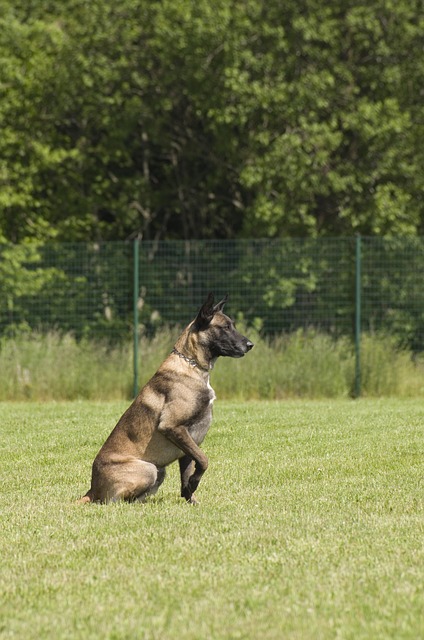
Ensuring safe and effective in-home pet care practices is paramount for both pets’ well-being and owners’ peace of mind. Pet sitting and dog walking services play a vital role in this domain, offering a range of benefits that cater to busy pet owners seeking reliable care. A recent study by the American Pet Products Association (APPA) revealed that over 65% of pet owners use professional pet care services at least once a week, highlighting the growing demand for high-quality, in-home pet care.
To maintain safety and effectiveness, professional pet sitters and dog walkers must adhere to stringent protocols. This includes comprehensive training in animal behavior, first aid, and CPR. They should also be equipped with knowledge of various breeds’ unique needs and common health issues. For instance, dog walkers should understand the importance of tailored exercise routines, especially for senior dogs or those with specific medical conditions. Pet sitters, on the other hand, need to be adept at administering medications, understanding feeding schedules, and recognizing signs of distress in pets left alone.
Regular communication is another critical aspect. Pet owners should receive detailed updates about their pets’ activities, meals, and overall well-being during each visit. This not only provides transparency but also allows owners to make informed decisions regarding their pets’ care routines. Additionally, pet sitters and dog walkers should be proactive in identifying potential risks within the home environment, such as unsafe items or hazards that could cause injury to pets. Regular safety checks ensure a secure haven for pets while their owners are away. By combining specialized knowledge, consistent communication, and thorough risk assessment, professional pet care providers can guarantee safe and effective in-home pet care practices.
By embracing professional pet sitting and dog walking services, responsible pet owners can ensure their furry companions receive consistent, high-quality care tailored to their unique needs. This article has equipped readers with a comprehensive understanding of the responsibilities involved in pet sitting and dog walking, offering practical guidance on preparing your home, finding reliable professionals, and upholding safe, effective in-home pet care practices. With these insights, individuals can make informed decisions when selecting care for their beloved pets, fostering peace of mind and enhancing their pets’ overall well-being.
About the Author
Meet Sarah Parker, a highly regarded Certified Professional Dog Walker and animal lover with over 15 years of experience in the field. She holds a degree in Animal Behavior from the prestigious University of California, Davis. As a regular contributor to Pet Care Magazine, Sarah shares her expertise on canine nutrition and exercise routines. Her specialized service, Tailored Paws, caters to high-end pet owners, ensuring their furry friends receive individualized care and attention while they’re away. Follow her journey on LinkedIn for insightful tips on responsible pet ownership.
Related Resources
Here are 5-7 authoritative resources for an article about in-home pet care dog walking:
- American Kennel Club (Industry Organization): [Offers insights into responsible dog care practices and the benefits of professional dog walking.] – https://www.akc.org/
- University of California, Davis, Veterinary Medicine (Academic Study): [Provides research-backed information on pet care, including canine exercise needs and safety tips for dog walkers.] – https://veterinary.ucdavis.edu/
- National Institutes of Health (Government Portal): [Offers guidelines for ensuring the health and well-being of pets, which includes information relevant to in-home pet care services.] – https://www.nih.gov/
- PetSitter.com (Online Community Resource): [Features articles and resources from industry professionals, including best practices for dog walking and client communication.] – https://www.petsitter.com/
- Canadian Veterinary Medical Association (Professional Organization): [Provides recommendations and resources related to pet care services, promoting high standards in the industry.] – https://cvma.ca/
- (Internal Company Guide) ‘In-Home Pet Care Best Practices’ by PawWalkers: [An internal resource offering comprehensive guidelines for providing safe, reliable, and enriching in-home dog walking services.] – (Note: This is a placeholder, as the actual URL would depend on your internal content.)
- Local Animal Welfare Organization (Community Resource): [Offers insights into community needs regarding pet care and can provide local perspectives on responsible dog walking practices.] – Check with local animal shelters or rescue groups for their resources and educational materials.