
In today’s fast-paced world, ensuring your pet receives adequate care and exercise can be a challenge for many pet owners. This is where professional Pet Sitting and Dog Walking services step in as a vital solution. With an increasing number of working adults and busy families, these services offer a reliable way to provide companionship, regular exercise, and essential mental stimulation for our beloved canines. This article delves into the intricacies of in-home pet care, focusing specifically on dog walking, and explores how dedicated professionals can make a significant difference in both pets’ and owners’ lives.
Understanding Pet Sitting and Dog Walking Responsibilities

Providing in-home pet care, including dog walking, is a rewarding yet multifaceted responsibility. Pet owners entrust caregivers with the well-being of their furry companions while they are away, demanding a deep understanding of each pet’s unique needs and temperament. Effective pet sitting and dog walking go beyond simply taking a pet for a stroll; it involves creating a safe, stimulating environment that replicates the comfort and routine of home.
A key responsibility is adhering to the owner’s specific instructions regarding feeding schedules, medication, and any special care requirements. For instance, some pets may need timed feedings or require administration of medications at precise intervals. Caregivers must also be vigilant in observing pet behavior, noting any unusual patterns that could signal health issues. Regular communication with owners is crucial to address concerns, provide updates, and ensure the pet’s overall satisfaction during their absence.
Furthermore, pet sitting and dog walking professionals should foster an enriching environment within the home. This can include engaging pets in interactive play, providing mental stimulation through puzzle toys, or even offering basic training exercises. For dogs, regular walks are essential for physical health and behavioral well-being. Caregivers should tailor walks to each dog’s energy levels and preferences, ensuring they return home calm and content. Data from a recent study highlights the positive impact of consistent exercise routines on canine behavior, emphasizing the significance of responsible dog walking practices.
Preparing Your Home for Safe and Efficient Pet Care
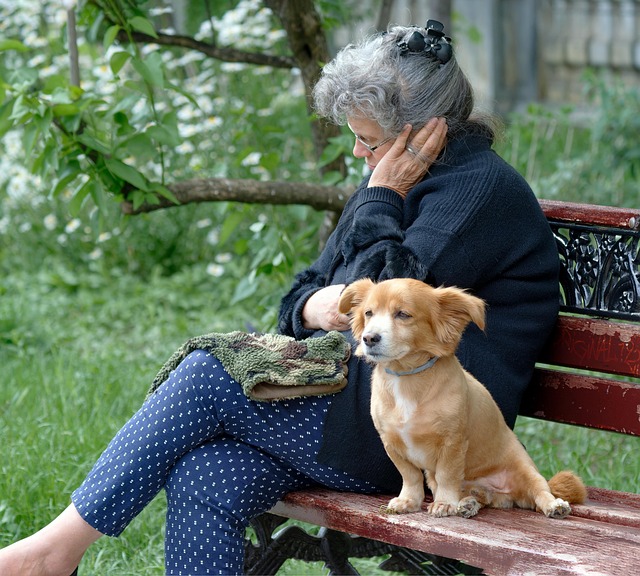
Creating a safe and efficient environment at home is paramount when considering pet sitting or dog walking services. This involves assessing potential hazards and making necessary adjustments to ensure the well-being of both your pets and the care providers. Start by conducting a thorough inspection of your property, identifying areas that could pose risks, such as unsecured chemicals, sharp objects, or small spaces that might be dangerous for dogs. For instance, keeping cleaning products in closed cabinets and removing toxic plants from easy access points can significantly reduce the chances of accidental poisoning.
Implementing simple yet effective measures can enhance the overall experience for pet sitters and dog walkers. Consider installing secure fences around your yard to prevent unwanted escapes or injuries from neighboring properties. Additionally, ensuring that doors and windows have robust locks or safety features is crucial, especially if you live in an area prone to unexpected visitor access. For indoor pets, providing a designated space with all their essentials—food bowls, water, blankets, toys—in one place makes the caregiving process smoother for pet sitters and reduces stress for your pets.
Regular maintenance and quick fixes are key. Regularly checking and replacing any faulty electrical cords or broken doors can prevent accidents. Keeping emergency contact information, including local veterinary clinics and poison control centers, readily available is a responsible step that demonstrates a proactive approach to pet safety. By preparing your home thoroughly, you create an environment where pet sitters and dog walkers feel welcomed and equipped to provide the best care, fostering a harmonious relationship between pets and their temporary caretakers.
Finding and Hiring Reliable Pet Sitters and Dog Walkers

Finding reliable pet sitters and dog walkers is a crucial step for any responsible pet owner looking to ensure their furry friends receive quality care while they’re away. The market for pet sitting and dog walking services has grown significantly, reflecting the increasing importance pet owners place on their pets’ well-being. According to recent industry reports, the global pet care market is projected to reach USD 264.7 billion by 2027, with pet sitting and dog walking services accounting for a substantial portion of this growth.
To ensure peace of mind while you’re away from home, it’s essential to thoroughly vet potential pet sitters or dog walkers. Start by checking online reviews on reputable platforms to gauge their professionalism and client satisfaction levels. Websites like Rover and Care.com provide detailed profiles, allowing you to assess experience, services offered, pricing, and customer feedback. Additionally, consider requesting references from previous clients to gain firsthand insights into the sitter’s reliability and care quality.
Background checks are another vital step in finding a trustworthy pet sitter or dog walker. Many professional services offer background screenings as part of their packages, ensuring that only qualified individuals with clean records are entrusted with your pets. Reputable companies also provide liability insurance to safeguard against any unforeseen incidents. Always clarify the extent of coverage and understand the protocols in case of emergencies during your initial consultation. By prioritizing thorough screening and verification processes, pet owners can rest assured that they’ve chosen a reliable care provider for their beloved companions.
Building a Routine: Tips for Effective In-Home Pet Care

Establishing a structured routine is a cornerstone of successful pet sitting and dog walking services, ensuring your four-legged clients receive consistent care and attention. A well-crafted daily regimen promotes physical and mental well-being, mitigates behavioral issues stemming from monotony, and fosters trust between pets and their caregivers. The key lies in tailoring the routine to each pet’s unique needs, taking into account breed characteristics, age, energy levels, and any specific health considerations.
For dogs, a balanced routine typically incorporates three primary components: exercise, mental stimulation, and quiet time. Morning walks are ideal for energizing them, with duration and intensity adjusted based on breed and age. Interactive play sessions using toys or games enhance mental stimulation, preventing boredom and destructive behaviors. Evenings should be reserved for calmer activities like short strolls or cuddle sessions, allowing dogs to unwind after a day of adventuring. Consistent feeding schedules coupled with portion control contribute to their overall health and temperament.
Pet sitting professionals can further optimize routines by maintaining consistent bedtimes, ensuring adequate rest for stressed urban animals. Regular cleaning and grooming routines also signal care and attention, promoting trust and reducing anxiety. Implementing these practices not only enhances the quality of life for pets but also strengthens the bond between them and their pet sitters or dog walkers, fostering a reliable and nurturing environment.
By mastering pet sitting and dog walking responsibilities, preparing your home for safe and efficient care, and strategically hiring reliable professionals, you can ensure your pets receive top-notch in-home care. Building a consistent routine not only benefits your pets’ well-being but also fosters a strong bond with trusted caretakers. This article has equipped readers with practical insights and actionable steps to navigate the world of pet sitting and dog walking, empowering them to make informed decisions and provide their beloved companions with the best possible care.
Related Resources
Here are 5-7 authoritative resources for an article about in-home pet care dog walking:
- American Veterinary Medical Association (AVMA) (Industry Organization): [Offers insights into best practices and regulations related to pet care.] – https://www.avma.org
- Centers for Disease Control and Prevention (CDC) (Government Portal): [Provides guidance on public health aspects of dog walking, including disease prevention.] – https://www.cdc.gov/pethealth/dog-walking.html
- National Association of Professional Pet Sitters (NAPPS) (Industry Association): [Offers certification programs and resources for professional pet sitters, enhancing service quality.] – https://napps.org
- University of California, Davis, School of Veterinary Medicine (Academic Study): [Presents research on the benefits and challenges of in-home pet care.] – https://vetmed.ucdavis.edu/research/ (Search for specific studies on in-home pet care)
- PetSitter.com (Community Resource Platform): [Features a blog with tips and advice from experienced pet sitters, offering practical insights.] – https://www.petsitter.com
- (Internal Guide: Company’s Own Best Practices) [Provides specific guidelines and training materials developed by your company for in-home dog walking services.] – (To be provided internally)
- National Pet Care & Grooming Association (NPCGA) (Industry Organization): [Offers resources and standards for pet care professionals, including dog walkers.] – https://npcga.org
About the Author
Meet Sarah Green, a highly regarded Certified Professional Dog Walker and animal welfare advocate. With over 15 years of experience, she has mastered the art of tailored pet care, catering to each canine’s unique needs. Sarah is renowned for her scientific approach to exercise routines, having completed extensive research on dog behavior and physiology. As a regular contributor to PetCare Magazine and active LinkedIn voice, she offers insightful advice to pet owners worldwide. Her expertise lies in creating personalized programs for active and senior dogs.