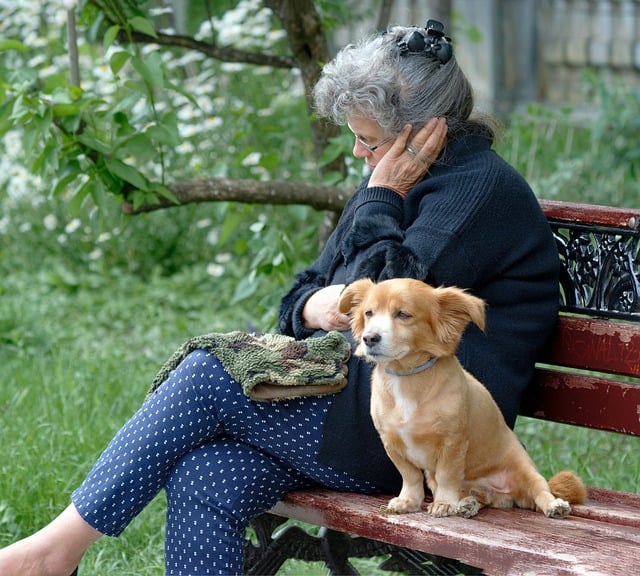
Pet Sitting and Dog Walking services, when practiced responsibly, offer significant benefits for pets and owners by addressing unique needs, maintaining routines, and fostering trust through communication. Key aspects include understanding pet requirements, effective communication with owners, building a prepared environment, and ensuring safe, healthy experiences. Choosing the right caregiver involves verifying experience, security measures, and clear communication. Regular walking and sitting services promote physical well-being, mental stimulation, and stronger bonds, ultimately enhancing pets' quality of life.
Understanding Pet Sitting and Dog Walking Responsibilities

Pet Sitting and Dog Walking, when undertaken responsibly, is a rewarding service that not only caters to pet owners’ needs but also ensures their beloved companions receive adequate physical and mental stimulation. A key aspect of this responsibility involves understanding the unique requirements of each pet, from dietary needs and exercise routines to behavioral quirks and medical conditions. For instance, an active Labrador retriever will have different exercise demands than a senior Chihuahua, necessitating a tailored approach to dog walking.
Professional pet sitters and dog walkers must be adept at interpreting pet owners’ instructions and communicating effectively with them. This includes clarifying feeding schedules, medication routines, and any specific behaviors or triggers that might affect the pet’s well-being. Data suggests that clear communication can significantly reduce stress for both pets and owners, fostering a stronger bond between caregiver and companion. For example, a study by the American Animal Hospital Association (AAHA) found that regular, quality pet sitting services can lead to improved overall health and happiness in pets left at home alone.
Furthermore, responsible pet sitting involves proactive problem-solving skills. Pet sitters must be prepared for unexpected situations, such as a pet’s sudden illness or an owner’s last-minute change in plans. Flexibility, adaptability, and a calm demeanor under pressure are invaluable traits in this role. Regular check-ins with owners, detailed daily reports, and maintaining open lines of communication ensure transparency and build trust. By embracing these responsibilities, professional pet sitters and dog walkers contribute not only to the physical health of pets but also to the peace of mind of their owners.
Preparing Your Home for Reliable In-Home Caregivers

Ensuring a smooth and stress-free experience for both pets and owners is paramount when considering in-home pet care services, particularly for dog walking and pet sitting. A reliable caregiver’s success hinges on a well-prepared home environment that accommodates the needs of the animals in their charge. This preparation goes beyond simply having food and water available; it involves creating a safe, comfortable, and stimulating space that fosters a sense of security and routine for pets.
When welcoming an in-home pet sitter or dog walker into your residence, consider implementing measures to ensure their comfort and efficiency. For instance, providing clear instructions on feeding schedules, medication routines, and any specific behaviors or commands your pet responds to is invaluable. Additionally, keeping essential supplies readily accessible—such as leashes, collars, toys, and cleaning materials—enables caregivers to focus on the well-being of your pet without unnecessary delays. Many professional services have standard checklists for these preparations, ensuring that no detail is overlooked.
Creating a routine-friendly environment further enhances the care experience. Pets thrive on predictability, so establishing consistent patterns for meals, exercise, and playtime can significantly impact their overall happiness. For dog walkers, having designated areas for walks, such as nearby parks or safe outdoor spaces, allows for efficient routes and ensures your dog receives the physical activity they need. Similarly, pet sitters benefit from knowing where to find comfortable resting spots, toys, and grooming tools, enabling them to provide tailored care that respects your pet’s unique preferences.
Data suggests that a well-prepared home can lead to more satisfied pets and owners. A survey by the American Pet Products Association revealed that 85% of pet owners believe their pets are happier when left in the care of a professional pet sitter or dog walker, with many attributing this to consistent routines and comfortable environments. By proactively preparing your home, you empower caregivers to deliver high-quality services, ultimately enhancing the quality of life for your beloved pets.
Choosing the Right Dog Walker: Essential Considerations

Choosing the right dog walker is a crucial decision for any pet owner seeking reliable pet sitting and dog walking services. With numerous options available, from local enthusiasts to dedicated professionals, understanding key considerations is essential to ensure your furred companion receives the best care possible while you’re away.
First, verify their experience and passion for working with dogs. Ask about their typical clients—do they specialize in certain breeds or sizes? Check references and consider their approach to handling various dog personalities and behaviors. A good dog walker should have a deep understanding of canine needs, including exercise requirements, dietary considerations, and temperament-specific care. For instance, energetic puppies need different exercises than senior dogs.
Background checks and insurance are non-negotiable. You want to ensure your home and pet are protected in case of any accidents or damage. Professional dog walkers should have reliable references and up-to-date liability coverage. Many reputable companies provide both. Additionally, consider their communication style. Prompt responses to inquiries, clear scheduling, and detailed reports on walks or sitting sessions demonstrate professionalism and accountability. Regular updates allow you to stay connected with your pet’s day-to-day activities.
Ultimately, trust is paramount in choosing a dog walker. Interview several candidates, discuss expectations, and establish clear guidelines for the frequency and duration of walks, as well as any specific needs. Reputable walkers will respect your home, adhere to your routine, and foster a strong bond with your pet while you’re away, ensuring peace of mind.
Creating a Routine: Benefits for Pets and Owners

Establishing a consistent routine for pet care, particularly through regular dog walking and pet sitting services, offers significant advantages for both pets and their owners. This structured approach ensures animals receive adequate physical exercise, mental stimulation, and social interaction, contributing to their overall well-being. Moreover, routines provide predictability, reducing anxiety and stress in pets, which can lead to better behavior and a calmer demeanor.
For dog owners, implementing a daily walk routine can be transformative. Not only does it encourage a healthier lifestyle for the canine companion, but it also allows owners to connect with their pets on a deeper level. Regular walks provide opportunities to socialize, explore new environments, and strengthen the bond between owner and pet. Moreover, consistent dog walking schedules can enhance an owner’s commitment to their pet’s care, fostering a sense of responsibility and long-term wellness for both.
Pet sitting services play a pivotal role in maintaining these routines when owners are unable to walk their dogs personally. Professional pet sitters, often with extensive experience, can ensure pets receive consistent exercise, tailored to their individual needs. This continuity is crucial, as data suggests that regular physical activity significantly slows the aging process in dogs and enhances cognitive function. By employing pet sitting services, owners can rest assured their pets’ routines remain intact, promoting long-term health and happiness.
Ensuring Safety, Health, and Happy Tails Through Proper Supervision

Providing safe, healthy, and enriching experiences for pets while owners are away is the cornerstone of responsible pet sitting and dog walking services. Proper supervision plays a pivotal role in achieving this goal. Firstly, ensuring the physical safety of pets involves securing homes against potential hazards. This includes locking doors and windows, removing toxic plants and dangerous items from reach, and setting up secure outdoor spaces for dogs to play and exercise. For instance, according to the American Veterinary Medical Association (AVMA), accidents caused by unsupervised access to hazardous substances or areas account for a significant number of pet injuries.
Moreover, regular health monitoring is essential. Pet sitters and dog walkers should be adept at recognizing signs of illness or distress in animals. This involves checking for changes in behavior, appetite, and physical condition during visits. Proactive health management can prevent small issues from escalating into more serious problems. Regular exercise, mental stimulation through play and training, and adequate hydration are crucial components of a pet’s well-being that dedicated pet care providers ensure. For example, daily walks not only benefit dogs’ physical health but also contribute to their mental stimulation and socialization.
Happy tails are a testament to the quality of pet sitting and dog walking services. Owners looking for reliable care should seek out professionals who demonstrate a genuine love for animals and prioritize their safety and happiness. Regular communication with pet owners regarding their pets’ well-being fosters trust and ensures that all needs are met. Ultimately, proper supervision in pet sitting and dog walking is about creating an environment where pets thrive, both physically and emotionally, while their owners are away.
By thoroughly understanding pet sitting and dog walking responsibilities, preparing your home for reliable caregivers, making informed choices when selecting a dog walker, establishing beneficial routines, and prioritizing safety, health, and supervision, you can ensure your pets receive the best possible care in their own homes. This article has provided essential insights and practical guidance to help you make informed decisions and create a harmonious environment for both your pets and caregivers. Take these key learnings and apply them today to elevate your pet sitting and dog walking experiences.
About the Author
Meet Sarah Green, a highly regarded Certified Professional Dog Walker and animal lover with over 15 years of experience in the industry. She holds a degree in Veterinary Science from Tufts University and is a regular contributor to PetCare Magazine. As a founding member of the National Association for Pet Care Professionals (NAPCP), Sarah advocates for ethical and compassionate pet care practices. Her expertise lies in tailoring personalized walking routines for dogs, ensuring their physical and mental well-being while their owners are away.
Related Resources
Here are 7 authoritative resources for an article on in-home pet care dog walking:
- ASPCA (Animal Welfare Organization): [Offers insights into responsible pet care practices and industry standards.] – https://www.aspca.org/
- National Association of Professional Pet Sitters (NAPPS) (Industry Association): [Provides guidelines, resources, and certification for professional pet sitters.] – https://napps.org/
- University of California, Davis, Veterinary Medicine (Research & Education): [Offers academic insights into animal behavior and well-being during exercise and care.] – https://vetmed.ucdavis.edu/
- Centers for Disease Control and Prevention (CDC) – Foodborne Diseases & Zoonotic Organisms: [Includes information on zoonotic diseases transmitted between animals and humans, crucial for understanding health risks associated with pet care.] – https://www.cdc.gov/onehealth/
- PetSitter’s World (Online Community & Resource Hub): [A platform for pet sitters to connect, share knowledge, and access industry news and best practices.] – https://www.petsittersworld.com/
- The American Kennel Club (AKC) (Dog Breeds & Care Organization): [Offers breed-specific information, training tips, and resources for responsible dog ownership.] – https://www.akc.org/
- Local City/County Health Department: [Provides specific regulations and licensing requirements for in-home pet care businesses within a particular region.] (Check your local government website)