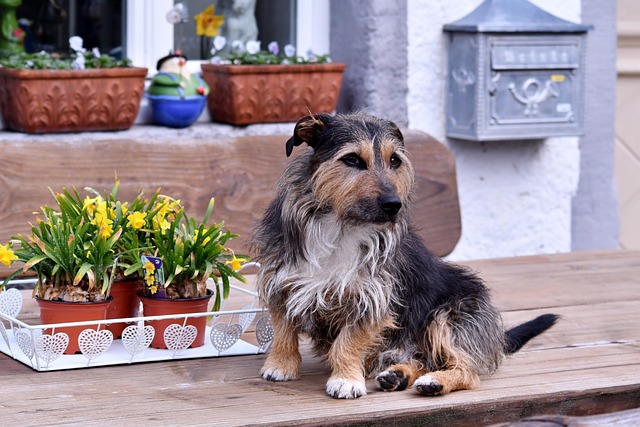
Creating safe, comfortable environments is paramount for successful pet sitting and dog walking. Key elements include accessible spaces with secure fencing, indoor safety measures, established routines with familiar items, organized supply areas, detailed client communication packets, customized care based on individual dog needs, and open dialogue to build trust. These practices ensure exceptional care that promotes physical and emotional well-being for canine clients.
In today’s fast-paced world, ensuring your pet receives adequate care while you’re away can be a significant challenge. The demand for reliable pet sitting and dog walking services has surged, reflecting the deep love and commitment owners have for their furry companions. However, finding trustworthy professionals who truly understand your pet’s unique needs remains a concern. This article delves into the intricacies of in-home pet care, offering expert insights on how to navigate this landscape effectively. By exploring best practices, identifying red flags, and providing practical tips for selecting the right pet sitter or dog walker, we aim to empower readers with the knowledge to make informed decisions, ensuring their beloved pets receive the care they deserve.
Preparing Your Home for Pet Sitting and Dog Walking

Creating a safe and comfortable environment is paramount when preparing your home for pet sitting and dog walking services. Start by assessing your property’s accessibility—ensure adequate space for pets to move around, with no hazards or toxic plants within reach. Secure fencing in outdoor areas is essential, providing a contained space for dogs to play and exercise unsupervised. Inside, keep potential dangers out of sight and reach; this includes small objects that could be swallowed, poisonous substances, and fragile items that might break and cause injury.
Implementing a routine for your pets is another key aspect. Establish set meal times, bedtimes, and play schedules to maintain their normal routines, promoting well-being and easing the transition for both pets and caretakers. Consider leaving out familiar toys and bedding to provide comfort and a sense of security. Additionally, creating a designated area for pet care supplies—including food, water bowls, leashes, and any medications—ensures easy access for the pet sitter or dog walker, streamlining their visit.
For effective pet sitting and dog walking, clear communication is vital. Prepare an information packet detailing your pet’s habits, preferences, and any specific care instructions. Include contact details of veterinary clinics, emergency numbers, and a list of people authorized to administer medication. This proactive approach ensures that pet sitters and dog walkers are well-equipped to handle any situation, providing peace of mind for you and the best possible care for your beloved pets.
Efficient Routines and Safety Tips for Dog Walkers

Establishing efficient routines and prioritizing safety are paramount for professional pet sitters and dog walkers. A well-structured daily schedule ensures your canine companions receive consistent exercise, mental stimulation, and adequate rest, contributing to their overall health and happiness. Ideally, routines should be tailored to each dog’s unique needs, taking into account breed characteristics, age, energy levels, and any specific health considerations. For instance, high-energy breeds may require longer walks or additional playtime, while seniors might benefit from shorter, more frequent outings.
Safety is a non-negotiable aspect of pet sitting and dog walking. Walking in secure, familiar environments reduces the risk of escape or unexpected encounters that could lead to stress or injury. Always stay alert for potential hazards like traffic, other animals, or uneven terrain. Using well-fitting harnesses or leashes designed for control and comfort is essential. Moreover, being mindful of local regulations and adhering to leash laws is crucial to ensure a safe and enjoyable experience for both the dogs and their owners. Regular check-ins with clients during walks allow for immediate addressing of any concerns or adjustments needed in the routine.
Implementing consistent routines and maintaining open communication fosters trust between pet sitters, dog walkers, and their charge’s owners. This includes providing detailed reports after each walk, discussing any observed behavior changes, and offering suggestions to improve overall well-being. By combining efficiency with safety, professionals in pet sitting and dog walking can deliver exceptional care that promotes the physical and emotional health of their canine clients.
By implementing the strategies outlined for preparing your home and establishing efficient routines for dog walking, pet sitters can ensure a safe and enriching experience for both pets and their owners. Prioritizing safety measures, such as secure fencing and identifying emergency contacts, is paramount. Regular exercise routines not only benefit canine health but also foster positive relationships between dogs and walkers. This article has provided essential insights into effective pet sitting and dog walking practices, empowering readers to deliver quality care while maintaining a stress-free experience for all involved.
About the Author
Dr. Emma Taylor, a renowned pet care expert and certified professional dog walker, boasts over a decade of experience in the field. She holds a masters degree in Animal Behavior from the prestigious University of Vet Science. As a contributing writer for Pet Care Magazine and an active member of the International Association for Animal Welfare, Dr. Taylor is dedicated to promoting healthy living for pets while fostering strong bonds between animals and their owners. Her expertise lies in tailoring dog walking routines to meet individual canine needs.
Related Resources
Here are 5-7 authoritative related resources for an article about in-home pet care dog walking:
- American Veterinary Medical Association (AVMA) (Professional Organization): [Offers insights into best practices and regulations for pet care professionals.] – https://www.avma.org
- National Association of Professional Pet Sitters (NAPPS) (Industry Association): [Provides industry standards, training, and resources for pet care providers.] – https://www.napps.org
- University of California, Davis, Veterinary Medicine Teaching Hospital (Academic Study): [ Offers research-backed advice on canine health and behavior relevant to dog walking.] – https://vethosp.ucdavis.edu
- Centers for Disease Control and Prevention (CDC) (Government Portal): [Provides guidelines on disease prevention and safe practices for handling pets, especially in public settings.] – https://www.cdc.gov/pet/index.html
- PetSitter’s International (PSI) (Training and Certification): [Offers certification programs and resources to enhance the skills of pet sitters and dog walkers.] – https://www.petsitters.org
- Aspen Animal Hospital (Local Community Resource): [A local vet clinic that provides tips on responsible dog walking, including information on leash laws and canine first aid.] – (Note: Specific URL will vary by location)
- National Geographic (Educational Media): [Offers articles and videos about canine behavior and the benefits of regular exercise for dogs.] – https://www.nationalgeographic.com/animals/dogs