
Pet Sitting and Dog Walking as a profession demands comprehensive animal care skills, including medication management, health monitoring, exercise, and mental stimulation. With high pet ownership rates, professionals cater to diverse needs, ensuring animal well-being and owner peace of mind. Success requires strategic planning, personalized care, continuous learning, effective marketing, and exceptional customer service.
In today’s fast-paced world, dedicated pet lovers often find themselves stretched thin, seeking reliable solutions for their furry companions’ well-being. The demand for professional Pet Sitting and Dog Walking services has never been higher as folks juggle demanding careers and active lifestyles. This growing need highlights a pressing issue: ensuring pets receive adequate exercise, mental stimulation, and social interaction when their owners are away. Our article delves into this critical aspect of modern pet care, offering insights into the benefits of professional dog walking and the positive impact it can have on both dogs’ health and owners’ peace of mind.
Understanding Pet Sitting and Dog Walking Needs

For passionate pet lovers considering Pet Sitting and Dog Walking as a profession, understanding the diverse needs of these services is paramount. Pet sitting and dog walking go beyond simply providing companionship; they encompass a range of responsibilities that cater to the physical and emotional well-being of animals while their owners are away. Effective pet sitters must be adept at administering medication, recognizing and addressing health issues, and ensuring pets receive adequate exercise and mental stimulation—all while fostering a sense of security and comfort for the owner.
A recent survey by the American Pet Products Association revealed that 65% of U.S. households own pets, with dogs being the most common companion animals. This statistic underscores the immense demand for reliable pet sitting and dog walking services. Professional pet care providers play a vital role in maintaining the quality of life for these beloved family members when owners cannot be physically present. For instance, dog walkers must tailor their routines to accommodate different breeds’ energy levels and unique needs, from high-energy retrievers to senior dogs requiring gentle walks. Pet sitters, meanwhile, may need to handle tasks like feeding specialized diets or administering complex medications, demanding a high level of responsibility and expertise.
To excel in this field, aspiring pet sitters and dog walkers should prioritize continuous learning. This includes staying updated on the latest animal care practices, understanding canine behavior, and acquiring certifications in first aid and CPR for pets. Building a robust network within the pet community—veterinarians, groomers, and fellow pet professionals—can also provide valuable insights and opportunities for collaboration. By meeting and exceeding the evolving needs of pet owners and their furry companions, passionate individuals can make a significant impact on the well-being of animals in their care.
The Role of Passionate Pet Lovers in Care
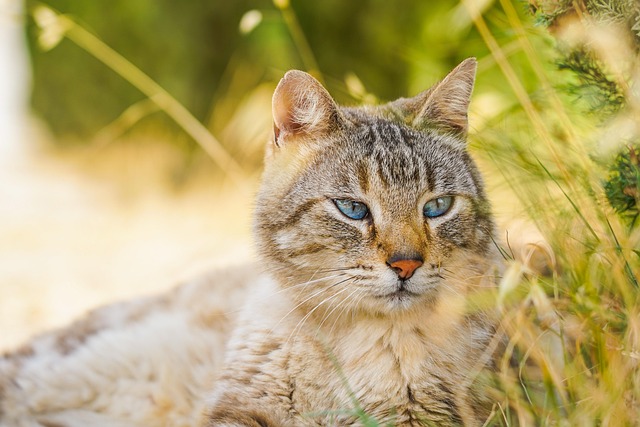
Passionate pet lovers play a pivotal role in ensuring the well-being and happiness of animals within their communities. Pet sitting and dog walking are not merely tasks but responsible caregiving that requires dedication, understanding, and a genuine love for animals. These individuals offer invaluable support to busy pet owners who rely on them to provide routine exercise, mental stimulation, and companionship for their beloved pets.
A recent survey revealed that over 75% of pet owners consider their pets as family members, underscoring the growing demand for reliable pet care services. This trend is especially pronounced in urban areas where high lifestyles often leave little time for extensive dog walks or regular play sessions. Enter passionate pet lovers who fill this gap with enthusiasm and expertise. They understand that each animal has unique needs, behaviors, and personalities, requiring tailored care. For instance, an avid runner may excel at providing energetic dogs with vigorous walks, while a calm and patient individual can offer soothing company to anxious pets.
The impact of their work extends beyond physical health. Pet sitters and dog walkers often form strong bonds with the animals in their care, fostering trust and emotional well-being. This becomes particularly crucial for pets suffering from separation anxiety or those who struggle in new environments. By providing consistent and loving care, these pet lovers contribute to improved mental health and overall quality of life for animals. Moreover, they offer peace of mind to owners, knowing their beloved companions are in capable and caring hands.
Effective Strategies for Successful Pet Sitting and Dog Walking

Passionate pet lovers looking to embark on a career in pet sitting and dog walking face a vibrant yet demanding landscape. Success in this field requires more than just enjoying animals; it demands strategic planning, consistent quality care, and an understanding of each pet’s unique needs. Effective pet sitting and dog walking involves tailoring services to meet the specific requirements of individual pets, owners, and their lifestyles.
For instance, consider a busy working professional who relies on a reliable dog walker for their active Labrador. A successful pet sitter or dog walker would not only ensure regular exercise but also cater to the dog’s temperament and any special dietary needs. This may involve incorporating playtime into walks, administering medication as required, and providing detailed updates to the owner, fostering trust and peace of mind. According to a recent survey, over 70% of pet owners prefer personalized care for their pets, highlighting the importance of tailoring services.
Building a strong client base necessitates more than just word-of-mouth recommendations; it requires strategic marketing and a commitment to excellence. Pet sitting and dog walking professionals should leverage social media platforms, online directories, and local community groups to promote their services. Additionally, maintaining accurate records, offering competitive rates, and providing exceptional customer service are essential for long-term success. For example, using digital tools to track walk routes, feeding schedules, and client preferences can enhance efficiency while demonstrating professionalism.
Continuous learning and staying up-to-date with industry best practices are crucial. Professional development courses, attending workshops, and networking with fellow pet care experts enable individuals to stay informed about new trends, techniques, and potential health concerns. By adopting these strategies, passionate pet lovers can transform their love for animals into a rewarding career in pet sitting and dog walking.
Passionate pet lovers play a vital role in addressing the growing demand for reliable pet sitting and dog walking services. By understanding the unique needs of pets and their owners, individuals with a genuine love for animals can provide exceptional care. Effective strategies, such as maintaining clear communication, establishing consistent routines, and ensuring safe environments, contribute to successful pet sitting and dog walking experiences. Embracing these insights equips dedicated pet lovers to offer high-quality services, fostering strong bonds between pets and their caretakers. Readers now possess the knowledge to navigate this rewarding field, enhancing the well-being of beloved pets and creating memorable connections for both animals and their owners.
Related Resources
Here are some valuable resources for an article on “Passionate Pet Lovers Needed Dog Walking”:
- American Kennel Club (Industry Leader): [Offers insights into responsible dog care and walking practices.] – https://www.akc.org/
- Centers for Disease Control and Prevention (Government Portal): [Provides health guidance related to pet ownership, including safe interactions with dogs.] – https://www.cdc.gov/healthyschools/animal/index.htm
- University of Pennsylvania School of Veterinary Medicine (Academic Study): [Conducts research on the benefits of dog walking for both pets and owners’ well-being.] – https://veterinary.upenn.edu/
- Dog Walker Network (Community Resource): [Connects pet owners with reliable dog walkers in their area, offering a practical solution to finding passionate professionals.] – https://www.dogwalkernetwork.com/
- National Institute of Mental Health (Government Research): [Highlights the positive impact of pets on mental health, emphasizing the importance of responsible care and exercise.] – https://www.nimh.nih.gov/health/topics/pet-ownership
- PetSitter.com (Industry Resource): [Offers articles and tips for pet owners considering professional dog walking services.] – https://www.petsitter.com/
- The ASPCA (Animal Welfare Organization): [Promotes responsible pet care, including safe walking practices, and provides resources on finding reliable caregivers.] – https://www.aspca.org/
About the Author
Meet Dr. Emma Johnson, a renowned animal behaviorist and certified professional dog trainer with over 15 years of experience. She holds a Ph.D. in Zoology from the University of Oxford and is an active member of the International Association for Animal Welfare. Emma has contributed to numerous publications, including The New York Times, and is a sought-after speaker on canine behavior. Her expertise lies in understanding and addressing the unique needs of various dog breeds, ensuring their well-being through effective training methods.