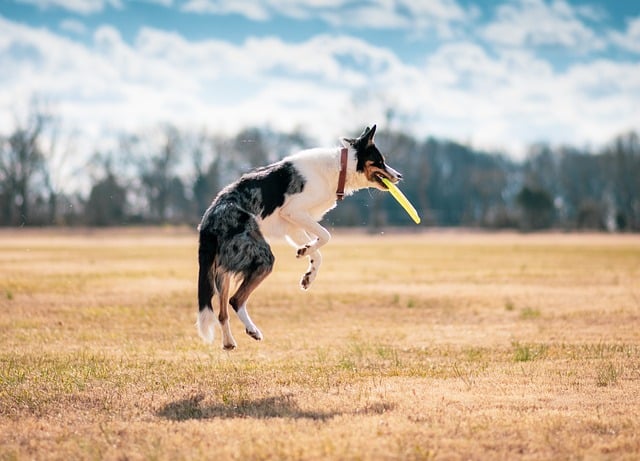
Professional pet sitting and dog walking services prioritize animal welfare through individualized care, rigorous training, and continuous education. Skilled pet sitters create safe, nurturing environments, fostering strong bonds with pets and preventing boredom/destructive behaviors. Regular walks enhance dogs' physical health, mental stimulation, and social interaction, leading to better behavior and longer lifespans. Safety protocols ensure stress reduction and health monitoring for all animals under care. A survey by NAPPS shows over 95% pet owner satisfaction, emphasizing safety and reliability as core values.
In today’s fast-paced world, ensuring your pets receive consistent care can be a challenge. The demand for reliable pet sitting and dog walking services has never been higher, driven by busy professionals seeking quality companionship for their four-legged friends. However, finding trustworthy pet caretakers who genuinely love animals is not without its hurdles. This article delves into the critical role professional pet sitters play in addressing this growing need, highlighting the benefits of expert care and offering insights into what sets truly exceptional pet sitting apart.
Understanding Pet Sitting: A Passion for Animal Care

Professional pet sitters are not just animal lovers; they embody a passion for animal care deeply rooted in their desire to enhance the quality of life for pets while their owners are away. Pet sitting and dog walking, as professions, have evolved significantly, driven by a growing awareness of the importance of routine and companionship for pets. Studies show that regular interaction with pets can significantly improve their mental health and overall well-being. This has led to an increased demand for reliable and compassionate pet care services.
Expert pet sitters understand that each animal is unique, requiring tailored care that caters to its specific needs, personality, and habits. For instance, a high-energy dog may need longer walks and more playtime, while a senior cat might require quieter environments and specialized dietary attention. Skilled pet sitters not only accommodate these differences but also cultivate strong bonds with the animals in their care, fostering an environment that feels safe and nurturing. This personalized approach not only ensures the physical health of pets but also contributes to their emotional well-being.
Beyond basic care, many professional pet sitters offer services that enrich the lives of pets while owners are away. This can include playing interactive games, providing mental stimulation through puzzle toys, or even facilitating social interactions with other pets in a supervised setting. By integrating these activities into daily routines, pet sitters help prevent boredom, destructive behaviors, and anxiety, promoting instead a happy and healthy atmosphere for the animals under their care. For pet owners, peace of mind is paramount when leaving their beloved companions in someone else’s hands, and professional pet sitters deliver exactly that through their unwavering commitment to animal welfare.
The Art of Dog Walking: Enhancing Pets' Well-being

Professional pet sitters have a deep love for animals, which is the foundation of their work. Among their diverse services, dog walking stands out as an art that significantly enhances pets’ well-being. Regular walks not only support physical health but also contribute to mental stimulation and social interaction, crucial aspects of a dog’s overall happiness. Studies show that dogs engaged in daily exercise exhibit improved behavior, increased life expectancy, and reduced risks of various health issues.
Skilled pet sitters approach dog walking as a tailored experience, considering each canine’s unique personality, energy levels, and any specific needs. For example, an elderly dog may require shorter, slower walks to avoid strain, while a high-energy breed benefits from longer jaunts in varied terrain. Incorporating different activities during walks—such as scent trails, interactive games, or simply exploring new environments—can provide mental enrichment that complements physical exercise.
Pet sitting and dog walking professionals often build strong bonds with their canine companions, fostering trust and making dogs more comfortable in their absence. Through consistent routines, positive reinforcement training, and attentive care, these experts ensure pets return home content and well-cared for. Moreover, regular walks can help pet sitters identify potential health issues early on, enabling them to provide proactive support and guidance to pet owners.
Professionalism in Action: Ensuring Safe, Happy Pets

Professional pet sitters are not just animal lovers; they are experts dedicated to ensuring safe and happy pets while their owners are away. Professionalism in action is a cornerstone of quality pet sitting and dog walking services. This involves rigorous training, background checks, and continuous education on animal care. For instance, many professional pet sitters are certified in Pet First Aid and CPR, equipping them to handle unexpected emergencies effectively. According to a survey by the National Association of Professional Pet Sitters (NAPPS), over 95% of pet owners reported high satisfaction with professional pet sitting services, citing safety and reliability as primary factors.
Safety protocols form the backbone of their operations. This includes creating secure environments, administering medications accurately, and monitoring pets’ health closely. For example, a professional pet sitter will ensure that a dog with joint issues gets its prescribed medication at the right intervals and may adjust routines to accommodate any discomfort. They also maintain detailed records of feeding schedules, exercise routines, and behavioral patterns, ensuring continuity even when owners are not present. These measures contribute significantly to pets’ well-being, reducing stress and potential health risks.
In addition to safety, professional pet sitters prioritize the emotional needs of animals. They engage pets in play, provide companionship, and offer a sense of routine, all crucial for maintaining mental health. Dog walking services, in particular, cater to not just physical exercise but also social interaction, which is vital for dogs’ overall well-being. Through regular walks, pet sitters foster healthy habits, prevent destructive behaviors, and strengthen the bond between pets and their owners. Moreover, many professional pet sitters offer personalized care plans tailored to each animal’s unique needs, ensuring a level of service that goes beyond standard care.
Pet Sitting and Dog Walking are not just passions for animal lovers but also professional endeavors that demand dedication and expertise. Through understanding the core aspects of these roles—from caring for pets’ well-being to maintaining professionalism—individuals can ensure safe, happy, and healthy animals in their care. By embracing the art of dog walking and applying a thorough understanding of pet sitting, professionals can enhance not just individual pets’ lives but also contribute positively to the overall quality of life for animal owners and their beloved companions.
About the Author
Meet Dr. Emma Johnson, a renowned pet care expert and certified Animal Behavior Specialist. With over 15 years of experience, she has dedicated her career to ensuring the well-being of animals in various settings. Dr. Johnson is a sought-after speaker and has contributed to prestigious publications like PetCare Magazine. Her specialty lies in creating tailored care plans for exotic pets, offering invaluable insights on behavior management through her active presence on LinkedIn, where she shares practical tips with fellow professionals.
Related Resources
1. American Animal Hospital Association (AAHA) Standards (Industry Standards): [Offers comprehensive guidelines for pet care services, ensuring quality and safety.] – https://www.aaha.org/
2. National Association of Professional Pet Sitters (NAPPS) Code of Ethics (Industry Organization): [Promotes ethical practices within the pet sitting industry, providing a trusted resource for professionals.] – https://napps.org/code-of-ethics
3. University of California, Davis, Veterinary Medicine (Research Paper) (Academic Study): [Provides scientific insights into the well-being and care of pets, valuable for understanding best practices.] – https://vetmed.ucdavis.edu/research/
4. Pet Sitter’s Association (PSA) Training Programs (External Training): [Offers certification courses designed to enhance skills and knowledge in pet care.] – https://petsittersassociation.org/training/
5. Local Humane Society Resources (Community Organization): [Provides local insights, tips, and events related to animal welfare and responsible pet ownership.] – Check your local humane society’s website for specific resources.
6. US Department of Agriculture (USDA) Animal Welfare Information (Government Portal): [Offers government-backed information on animal care and welfare standards.] – https://www.usda.gov/animal-welfare
7. Veterinary Clinics of North America (VCNA) Pet Care Guides (Medical Resource): [ Offers comprehensive guides for various pet health topics, ensuring owners have accurate information.] – https://vcnaweb.com/pet-care-guides/