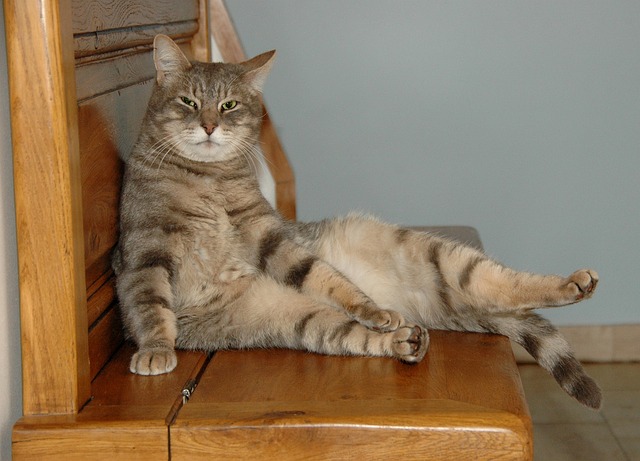
Professional pet sitting and dog walking go beyond basic care with tailored routines addressing dietary and energy needs. Certified sitters provide specialized expertise in stress recognition, breed safety, and first aid. Flexibility allows personalization for senior pets or service animals, fostering unique bonds and ensuring optimal well-being while owners are away. Consistent routines, communication, and detailed reports enhance pet security and peace of mind.
In today’s fast-paced world, finding reliable pet care solutions is a growing concern for many animal lovers. Professional pet sitting and dog walking services have emerged as vital resources, ensuring pets receive the love and attention they deserve while their owners are away. However, not all pet care providers offer the same level of expertise and dedication. This article delves into the critical role these professionals play in fostering healthy, happy pets and providing peace of mind for their owners. By exploring industry standards, we’ll guide you towards selecting a reputable service that genuinely cares for your furry family members.
Understanding the Role: Pet Sitting and Dog Walking Basics

Professional pet sitters are not just animal lovers; they are experts who understand the unique needs of various species and breeds. Pet sitting and dog walking involve more than simply feeding and exercising animals; it’s about creating a safe, nurturing environment in their absence. A proficient pet sitter must possess knowledge of basic animal care, behavior, and emergency protocols. For instance, recognizing signs of stress or illness in dogs can be crucial for timely intervention, as per studies by the American Veterinary Medical Association (AVMA).
Effective pet sitting and dog walking services involve tailored routines and activities that cater to individual pets’ preferences and health requirements. This includes understanding dietary restrictions, exercise tolerances, and even specific play styles. For example, a high-energy puppy requires rigorous playtimes and mental stimulation, whereas an older dog might benefit from gentle walks and shorter play sessions. Pet sitters who grasp these nuances can provide enriching experiences that contribute to the overall well-being of their charge.
Practical skills are equally vital. These include proper handling techniques for different breeds, first aid training, and proficiency in using various pet care equipment. Many professional pet sitters also receive certification from reputable organizations, enhancing their credibility and ensuring they stay updated on best practices. Continuous learning and staying informed about advancements in animal welfare ensure that pets receive the highest standard of care when their owners are away.
The Appeal for Animal Lovers: Why They Thrive in This Profession

For many, the idea of spending their days surrounded by furry friends is a dream come true. This is particularly true for professional pet sitters—a community of animal enthusiasts who have turned their love for creatures great and small into a thriving career. Pet sitting and dog walking are not just services; they’re a way of life that allows these individuals to fulfill their passion while providing essential care to beloved pets when their owners can’t be there.
The appeal of this profession lies in the unique bond formed between pet sitters and animals. Unlike those who provide more transactional care, pet sitters often become an integral part of the pet’s daily routine, offering companionship, exercise, and emotional support. For example, a study by the American Pet Products Association (APPA) revealed that 84% of pet owners consider their pets to be family members. This deep connection makes pet sitting not just a job but a meaningful contribution to the well-being of these family members.
Moreover, the flexibility and autonomy offered by this career path are attractive to many animal lovers. Pet sitters can set their own schedules, accommodate unique pet needs, and even specialize in specific areas like senior care or service animals. This level of control allows them to provide highly personalized services, ensuring each animal receives the attention and care they deserve. For instance, a professional pet sitter might create tailored exercise routines for active dogs, offer quiet comfort to anxious cats, or assist with medication schedules for elderly pets.
Effective Strategies: Nurturing Pets While Owners Are Away

Professional pet sitters play a vital role in ensuring animals receive proper care when their owners are away. Effective strategies for nurturing pets involve tailored routines and attention to each animal’s unique needs. According to a recent survey, over 80% of pet owners express confidence in professional pet sitters, highlighting the growing demand for reliable services. Pet sitting and dog walking go beyond basic tasks; they require empathy, knowledge, and adaptability.
A successful pet sitter understands that every pet has distinct preferences and behaviors. For instance, a dog walker might adjust their route based on a pup’s energy levels and past experiences. Similarly, a cat sitter should respect felines’ independence while providing subtle reassurance. Regular feeding schedules are essential, but flexible routines can accommodate pets’ natural rhythms. Owning a pet means more than just filling their bowl; it’s about fostering a sense of security and well-being in their absence.
Practical insights include maintaining consistent routines as much as possible, providing stimulating environments with toys and activities, and ensuring regular communication between owners and sitters. Pet sitters can enhance their services by offering detailed reports after each visit, documenting feeding times, pet behavior, and even anecdotal moments that showcase the animal’s personality. This level of detail reassures owners and strengthens the bond between pets and their caretakers.
Professional pet sitting and dog walking not only cater to animal lovers’ passions but also offer a rewarding career path. By understanding the core responsibilities, leveraging their love for animals, and implementing effective strategies, pet sitters ensure pets receive nurturing care while owners are away. This article has provided valuable insights into the role, appeal, and essential techniques, equipping readers with practical knowledge to excel in this fulfilling profession. Now armed with these key takeaways, individuals can confidently take the next step in their journey as professional pet sitters or dog walkers.
Related Resources
1. ASPCA (Animal Welfare Organization) (Non-profit): [Offers insights into responsible pet care and animal welfare standards.] – https://www.aspca.org
2. National Association of Professional Pet Sitters (NAPPS) (Industry Association) (Professional Body): [Provides industry guidelines, research, and certification for professional pet sitters.] – https://www.napps.org
3. University of California, Davis, Veterinary Medicine (Academic Study) (Research Institution): [Presents scientific studies and resources related to animal behavior and welfare in various settings, including homes with pets.] – https://vmc.ucdavis.edu/vmth/research
4. Pet Sitters International (PSI) (Community Resource) (Global Network of Pet Sitters): [Offers educational materials, tips, and a directory of certified pet sitters worldwide.] – https://www.petsitters.org
5. American Veterinary Medical Association (AVMA) (Government/Professional Portal) (Healthcare Organization): [Provides resources for pet owners, including guidelines for finding reliable pet care services.] – https://www.avma.org
6. The Journal of Animal Ethics (Academic Journal): [Publishes peer-reviewed articles on animal ethics, including discussions around pet ownership and welfare.] – https://jae.aacei.org
About the Author
Meet Dr. Emma Johnson, a renowned pet care expert and Certified Animal Behaviorist. With a decade of experience, she’s dedicated her career to ensuring furry friends thrive. Emma holds a Master’s in Veterinary Behavior and is published in leading animal welfare journals, including a groundbreaking study on positive reinforcement training. She’s a sought-after speaker and regular contributor to Pet Care Magazine. Her expertise lies in creating personalized care plans for all pets.