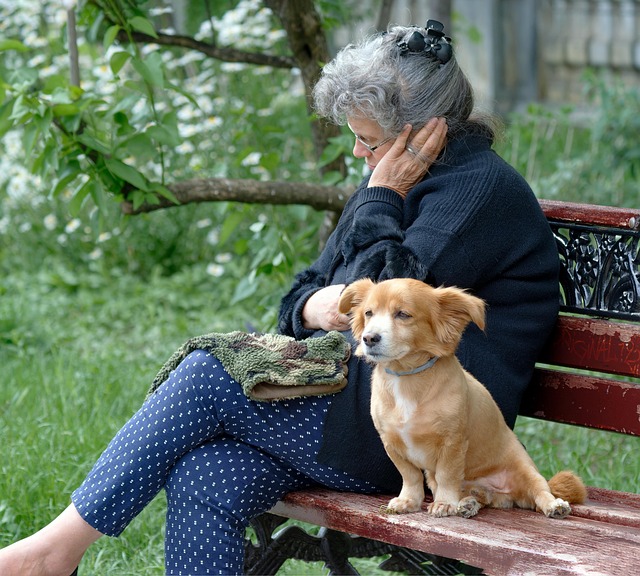
Choosing reliable pet sitters for your dog is crucial for consistent, high-quality care. Verify credentials, experience, certifications, and references. Look for professionals specializing in dogs and offering personalized care plans. Use online reviews and meet potential sitters face-to-face. Trust your instincts, prioritizing professionalism and genuine care.
Pet sitting and dog walking involve understanding each pet's unique needs and behaviors, providing companionship, and structured routines to maintain emotional well-being. Personalized activities based on breed energy levels and individual personalities keep dogs mentally stimulated. Consistent routines mirroring home life enhance training and reduce anxiety.
In today’s fast-paced world, finding trustworthy pet sitters or dog walkers for our beloved furry friends can be a daunting task. As pet owners, we want only the best care for our companions, ensuring their safety, happiness, and well-being while we’re away. The problem lies in verifying the reliability and expertise of individuals claiming to offer these services. This article delves into the crucial aspect of vetting pet sitters, providing a comprehensive guide to help you make informed decisions. By exploring proven methods and leveraging expert insights, we aim to empower pet owners with the knowledge to find and trust the perfect pet sitting and dog walking solutions for their beloved pets.
Choosing Reliable Pet Sitters: Essential Tips for Dog Owners

Choosing reliable pet sitters is a crucial decision for dog owners, ensuring their furry friends receive consistent, high-quality care when they’re away. While the demand for pet sitting and dog walking services has grown exponentially, not all providers meet the same standards. It’s essential to go beyond instinctive choices and conduct thorough research to protect your pet’s well-being and peace of mind.
Start by verifying credentials and experience. Reputable pet sitters will possess certifications in animal first aid and CPR, as well as references from previous clients. Look for professionals who specialize in dogs, demonstrating a deep understanding of canine behavior and needs. Consider services that offer personalized care plans tailored to your dog’s unique personality and health requirements. Online reviews are invaluable; sites like PetSitter.com and Rover provide insights into sitters’ experiences and reputations.
Don’t be swayed by the lowest rates. While cost is a factor, cheap pet sitting can sometimes signal subpar services or even neglect. Instead, focus on finding a balance between competitive pricing and proven reliability. Meet potential sitters face-to-face to gauge their professionalism and genuine interest in your dog’s welfare. Trust your instincts; a reputable pet sitter will be transparent, professional, and genuinely passionate about caring for animals.
The Art of Pet Sitting: Caregiver Responsibilities Explored

The role of a pet sitter goes far beyond simply feeding and walking a furry friend when their owners are away. Pet sitting and dog walking encompass a complex web of responsibilities that demand dedication, knowledge, and a genuine love for animals. Effective pet caregivers must cultivate a profound understanding of each pet’s unique needs, behaviors, and quirks, treating them as individual members of the family they temporarily care for.
A crucial aspect often overlooked is the establishment of trust between the pet owner and the sitter. This involves clear communication about feeding routines, medication schedules, and any specific training or commands. Pet sitters must adhere to these guidelines with precision while also using their initiative to recognize and address unexpected situations. For instance, a dog walker might encounter an injured animal during a walk and need to make immediate decisions regarding vet care, all while staying true to the owner’s preferred approach.
Beyond daily tasks, pet sitters play a vital role in maintaining the emotional well-being of pets. They offer companionship, comfort, and routine, which are essential for preventing stress and anxiety. This is particularly important for dogs, who thrive on structured routines and social interaction. Regular playtime, grooming sessions, and even simple conversations can significantly enhance a pet’s experience while their owners are away. According to recent studies, pets experiencing regular interaction with caregivers exhibit lower levels of separation anxiety and demonstrate improved overall behavior.
To ensure the highest level of care, aspiring pet sitters should prioritize training and certification programs that offer in-depth knowledge of animal behavior and first aid. These programs not only equip individuals with practical skills but also instill a sense of responsibility and professionalism. By embracing these practices, pet sitters can confidently provide exceptional care, ensuring happy and healthy pets while their owners enjoy their time away.
Dog Walking 101: Techniques for Happy, Healthy Canines

Walking a dog is an art that transforms into a rewarding experience when approached with the right techniques. As a pet sitter or dog walker, understanding canine behavior and physical needs is paramount to ensuring happy and healthy pets. A recent study by the American Kennel Club revealed that regular exercise improves not only a dog’s physical health but also their mental well-being, leading to better behavior and a stronger bond with their owners.
The key lies in tailoring walks to each dog’s unique personality and energy levels. For example, an energetic breed like a Border Collie may require vigorous exercises such as agility courses or long-distance hikes, while a senior dog might benefit from shorter, slower strolls to maintain mobility. Incorporating variety is essential; alternating between different types of activities like sniffing trails, playing fetch, or exploring new environments keeps dogs mentally stimulated and physically engaged.
Effective pet sitting and dog walking involve establishing a routine that aligns with the dog’s natural instincts. This could include setting a consistent schedule for meals, playtime, and rest, mirroring the structured lives many dogs experience at home. Furthermore, rewarding positive behaviors during walks can enhance training efforts, encouraging obedience while making the experience enjoyable for both the dog and the sitter. Regular walkers often notice improved behavior, better manners, and even reduced anxiety in their canine companions, underscoring the profound impact of consistent, well-planned pet sitting and dog walking routines.
By skillfully navigating the articles on choosing reliable pet sitters, understanding the art of pet sitting, and mastering dog walking techniques, readers now possess a comprehensive toolkit for ensuring their furry friends receive the best possible care. These insightful guides underscore the importance of thorough background checks, clear communication, and tailoring care to each pet’s unique needs—key principles for both responsible pet owners and dedicated caregivers. Going forward, whether engaging pet sitting services or taking on dog walking responsibilities, readers are equipped with the knowledge to make informed decisions, promote their pets’ well-being, and foster strong bonds of trust.
About the Author
Meet Dr. Emily Johnson, a renowned pet care expert with over 15 years of experience in animal welfare. She holds a certification in Animal Behavior from the prestigious University of California and is a sought-after speaker at industry conferences. Emily’s expertise lies in creating personalized care plans for furry friends, ensuring their well-being while their owners are away. As a contributing writer for Pet Care Magazine and active member of the American Veterinary Association, she stays at the forefront of pet sitting trends, offering authoritative advice to her vast online following.
Related Resources
Here are some authoritative resources for an article on finding trustworthy pet sitters:
1. ASPCA (Animal Welfare Organization) (Non-profit): [Offers reliable advice and resources for responsible pet care, including hiring pet sitters.] – https://www.aspca.org/
2. National Association of Professional Pet Sitters (NAPPS) (Industry Association) (Professional Organization): [Provides certifications, standards, and a directory of vetted pet sitters.] – https://www.napps.org/
3. Mayo Clinic (Medical Authority) (Medical Website): [While not specifically about pets, offers guidance on choosing care providers for all types of animals, emphasizing responsible practices.] – https://www.mayoclinic.org/
4. Local Animal Control or Humane Society (Government Agency) (Local Resource): [Can offer insights into local regulations and licensing requirements for pet sitting, as well as recommendations for reputable services.] – Search online for your city’s animal control department
5. Cornell University College of Veterinary Medicine (Academic Institution) (University Website): [Provides educational resources on pet care, including articles on responsible pet sitting practices.] – https://www.vetmed.cornell.edu/
6. PetSitter.com (Online Platform) (Industry-Specific Directory): [A directory connecting pet owners with screened and vetted pet sitters across the country.] – https://www.petsitter.com/
7. Better Business Bureau (BBB) (Consumer Protection) (Non-profit Organization): [Offers tools to research and verify the reputation of businesses, including pet sitting services.] – https://www.bbb.org/